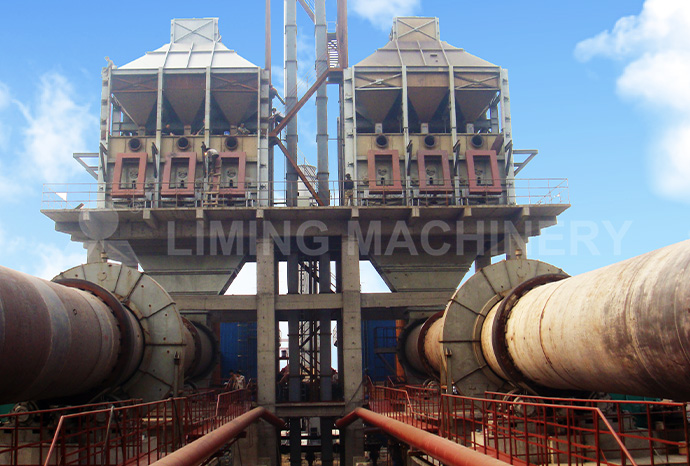
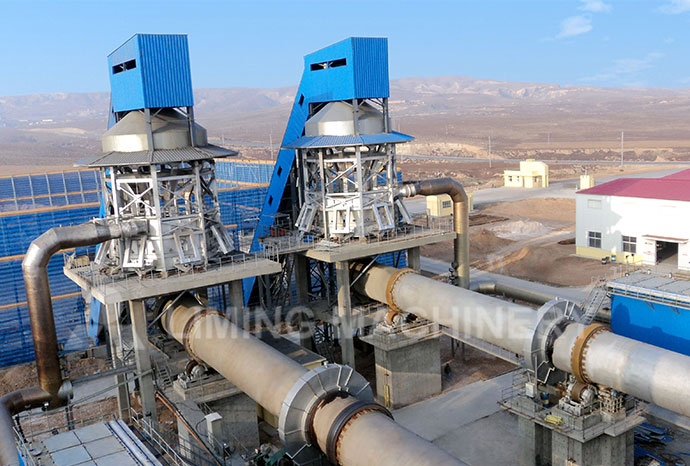
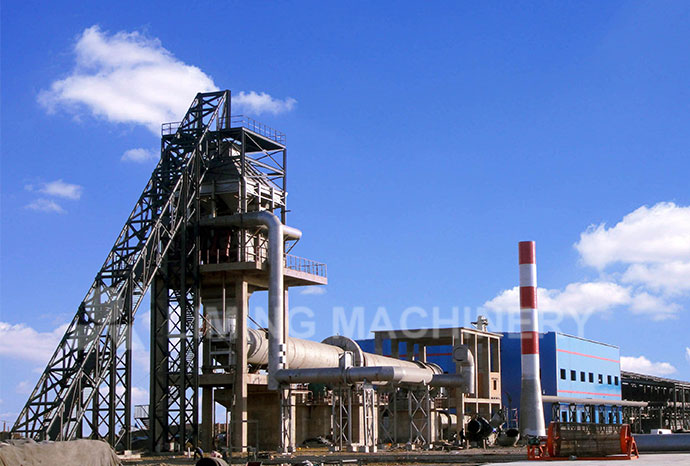
Lime rotary kilns offer multiple advantages in processing limestone. Also known as lime kilns, they are robust calcination systems distinguished by high production capacity, quiet operation, and low overall energy consumption. As a primary processing equipment for lime production, they deliver substantial industrial value, driving strong market demand and making them the preferred choice for most users in limestone processing.


 1.New technology:
The main drive system adopts a new type of AC frequency conversion speed regulation technology. Compared with traditional electromagnetic speed regulation and DC speed regulation, it is more energy-saving and environmental protection and has a wide range of speed regulation, high efficiency, and high-speed regulation precision, and stable operation.
2.Installation accuracy and reliability:
After welding the base of the supporting device of the supporting wheel and the retaining wheel, and eliminating the welding stress through vibration aging treatment, integrated processing and manufacturing can be carried out by using a large vertical lathe and boring and milling machine, which can guarantee the machining accuracy and shape and position tolerance requirements of each part and significantly improve the installation accuracy and reliability of the whole machine.
3.Smooth operation:
According to the characteristics of limestone and its’ calcination process requirements, the overall structure optimization design was carried out for kiln head and end sections, which solved the problems of return materials of kiln tail and dust leakage commonly existed in common rotary kilns, making the transportation more smooth and natural.
4.Stable quality:
The limestone is uniform in heat, stable in product quality, low in over-burnt rate, especially suitable for calcination of high activity lime for steelmaking.
5.Flexible process configuration:
vertical preheater can be configured at the end of the kiln to make full use of the high-temperature flue gas calcined in the lime rotary kiln, preheat the limestone from normal temperature to the initial decomposition state, improve the product activity, and facilitate transportation and storage.
 Working Principle

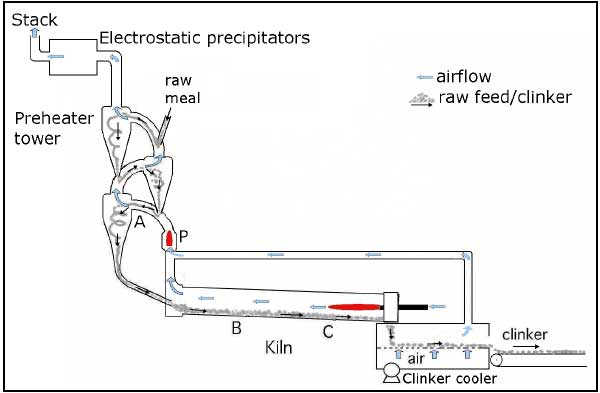
Limestone is fed into the kiln through the chute at the end of the kiln. Due to the tilt and slow rotation of the kiln body, the limestone rolls along the circumference on one side and moves from the end of the kiln to the kiln head on the other side along the axis. The fuel is sprayed into the kiln from the end of the kiln through the burner for combustion, and the heat is transmitted to the limestone by radiation, convection and conduction. After the limestone is calcined into quicklime during the moving process, it is discharged from the end of the kiln, and the high-temperature flue gas enters the dust removal system from the end of the kiln.

Please provide target daily capacity, limestone lab report (CaO, MgO, SiO₂, sulfur impurity), lump‑size range of feed limestone, available fuel type & calorific value, plant site dimension & elevation, local power‑supply parameter, target lime activity index, and scope of supply including preheater, cooler and dust collector. Also clarify demands for general‑layout drawing and on‑site commissioning. Complete data supports correct kiln sizing and full process proposal.
Heat rate (kJ/kg‑CaO) means heat consumption for producing each kilogram of CaO. Our kiln series reaches 4810‑5300 kJ/kg‑CaO. High raw‑material impurity, poor preheater performance, serious air‑leakage and insufficient cooler heat‑recovery will increase heat consumption. Large‑capacity models with polygonal preheater deliver lower heat rate. Good sealing and regular maintenance for preheater & cooler help control heat‑rate and cut fuel operating cost.
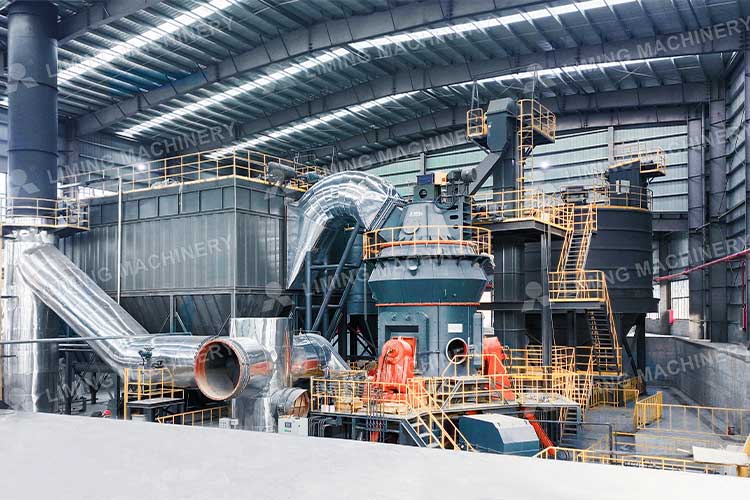
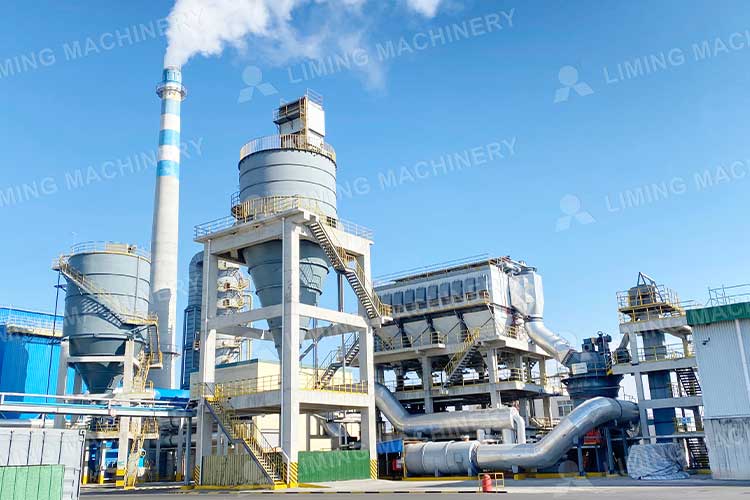
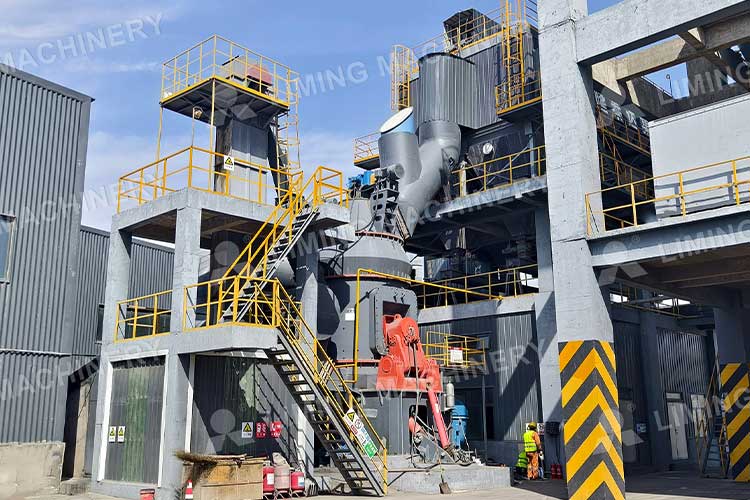
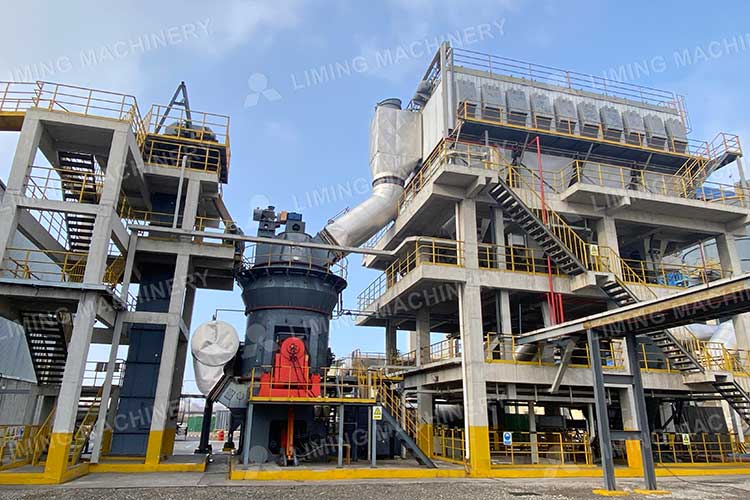
Lime rotary kiln complete set includes kiln shell, supporting‑retaining wheel device, AC frequency‑conversion main drive, kiln head & kiln‑tail seal, vertical preheater, vertical cooler, burner combustion system and flue‑gas dust‑removal system. Support base eliminates welding stress via vibration aging before integrated machining for high installation accuracy. Inclined rotating shell conveys and calcines materials for active lime and calcined dolomite in lime production lines.
Vertical preheater is installed at kiln tail to recover waste heat from hot kiln flue gas. It heats normal‑temperature limestone close to decomposition point. Partial carbonate decomposes in advance to reduce calcination load, cut fuel consumption and improve lime activity. Circular and polygonal types are available for different capacity grades. Preheater specification must match kiln capacity, flue‑gas temperature and flow to keep stable thermal condition for energy‑saving lime lines.
Lime rotary kiln is compatible with pulverized coal and various gas fuels. Corresponding burner shall be selected to adjust flame profile and keep calcining‑zone temperature around 1350℃. Pulverized coal needs coal‑preparation & conveying equipment; gas fuel requires pressure‑regulating supply system. Confirm fuel calorific value and sulfur content during selection. Fuel composition influences heat consumption, product quality and downstream flue‑gas treatment solution.
High‑activity lime from rotary kiln is widely used for steel‑making desulfurization & slag‑forming, metallurgy, chemical industry, waste‑water treatment and building‑material sectors. High‑activity lime features fast reaction and lowers unit consumption compared with ordinary lime. Uniform calcination brings low over‑burning rate for stable activity. Calcined dolomite serves refractory‑material industry. Target product index shall be confirmed in design phase to meet downstream requirements.
RELATED CASE
 Request a quotation


Copyright © LIMING MACHINERY CO., LTD. All rights reserved Privacy Policy